If you know you want Northern Kentucky, the hard part is usually not whether to move here. It is figuring out which suburb fits your day-to-day life best. If Union is on your list, you are probably weighing space, commute, housing style, and overall feel against places like Florence, Independence, Erlanger, Edgewood, Villa Hills, Hebron, and Walton. This guide will help you compare Union to those nearby options so you can narrow your search with more confidence. Let’s dive in.
Why Union stands out
Union offers a distinctly residential feel with signs of thoughtful growth. The city had an estimated 7,937 residents in 2025, an owner-occupied housing rate of 82.5%, a median household income of $136,712, and a mean travel time to work of 26.4 minutes.
That data points to a market where many households own rather than rent, and where the housing pattern is still largely suburban. Union’s neighborhood descriptions also suggest a mix of single-family communities and some condo-style options, not a dense urban layout.
Union’s housing feel today
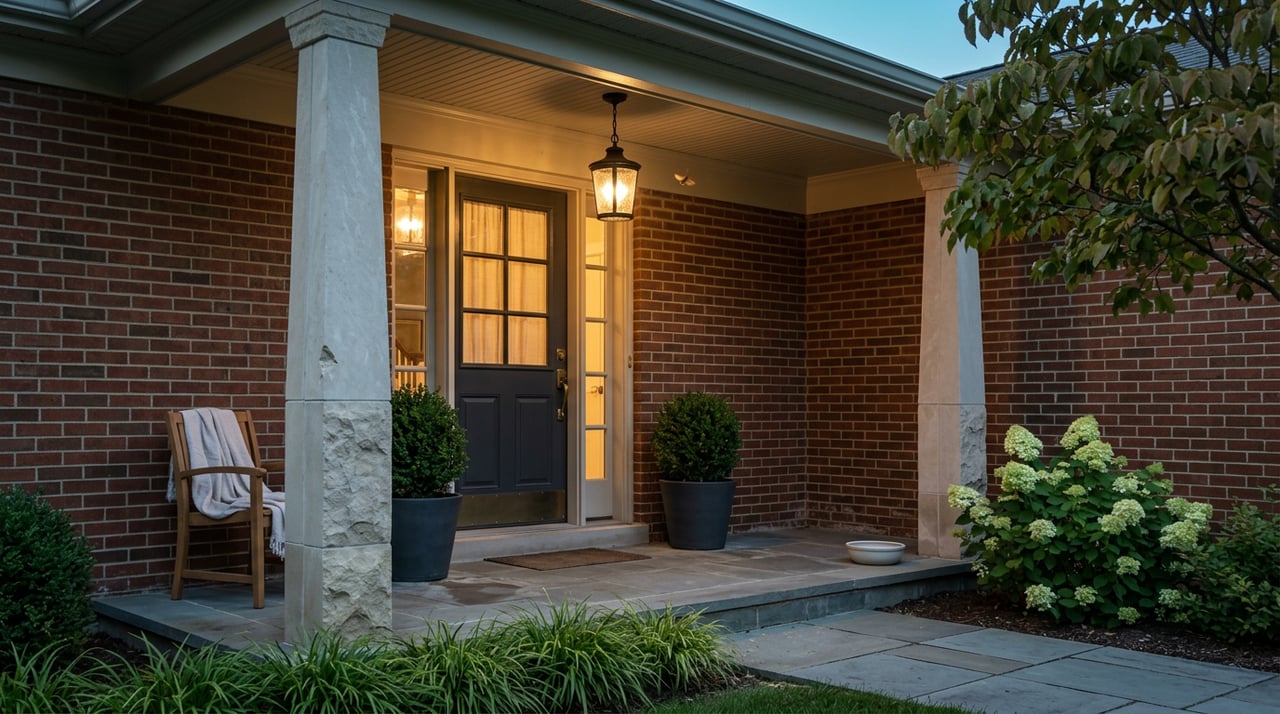
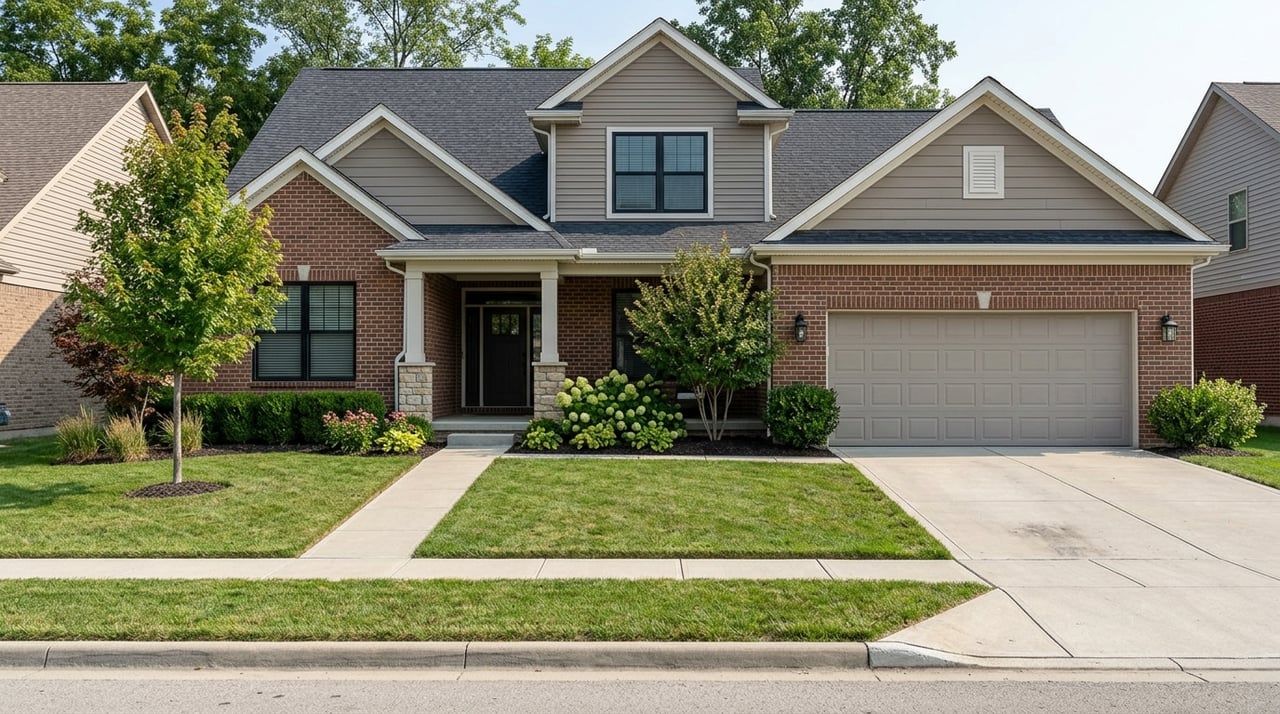
If you are looking for a suburb with neighborhoods that feel primarily residential, Union checks that box. The city highlights communities like Hampshire, Harmony, Hempsteade, Lassing Green, Traemore, Union Village, and Villas of Fowler’s Creek, which reflect a mix of traditional neighborhood living and lower-maintenance housing choices.
That can matter if you want options. Some buyers want a single-family home with more yard and neighborhood structure, while others want a ranch condo near shopping and restaurants. Union appears to offer both, while still leaning heavily toward a suburban residential setting.
Union’s town center is still growing
One of the most interesting things about Union is that its town-center identity is still taking shape. Current and planned projects include pocket parks, Union Town Square, and Grammas Center.
Union Town Square is planned to include more than 16 acres of green space, along with a splash pad, pond, playground, walking paths, and a new city building. Grammas Center is planned as a four-story mixed-use project with 31,100 square feet of retail, 98 apartment units, a restaurant, and 12 condos.
For buyers, that means Union is not just a bedroom suburb with no center. It is a primarily residential city that is actively building a more walkable core over time.
Comparing Union to Florence
Florence is the strongest contrast to Union in this group. If Union feels more residential and neighborhood-driven, Florence reads as the retail and service hub.
Florence had an estimated 33,763 residents in 2024, a 57.5% owner-occupied housing rate, a median household income of $71,003, and a mean commute of 23.3 minutes. The city also describes itself as a leading destination for shopping, dining, entertainment, business, and diverse housing options.
Choose Union if you want more residential focus
Union may appeal more if you want a place that feels less commercial and more rooted in neighborhood living. Its much higher owner-occupied rate and smaller scale support that impression.
Choose Florence if you want convenience first
Florence may be a better fit if your top priority is being close to a larger concentration of shopping, dining, hotels, and entertainment. It is the clearest destination market in this comparison set.
Comparing Union to Independence
Union and Independence share some similarities, especially for buyers who want a suburban setting with a strong owner-occupied profile. Independence had an estimated 30,198 residents in 2025, an owner-occupied rate of 83.8%, a median household income of $102,361, and a mean commute of 27.2 minutes.
Independence comes across as a larger, more traditional suburb with a strong community-event identity. Its parks and recreation page highlights recurring civic events like the Egg Hunt, Memorial Day Parade, Fourth of July Celebration, and Christmas Walk.
Union feels smaller and more evolving
Union may feel more appealing if you want a smaller city with visible new town-center development. The planned civic green space and mixed-use projects give it a growth story that stands out.
Independence feels larger and event-driven
Independence may fit better if you want a larger suburb with a long list of recurring community events and a similarly strong ownership profile.
Comparing Union to Erlanger
Erlanger offers a different kind of advantage. It is more access-oriented than Union, with the city emphasizing its location at the junction of I-71/75 and I-275, about five minutes from CVG and roughly nine miles from Cincinnati.
Erlanger had an estimated 20,158 residents in 2025, an owner-occupied rate of 69.3%, a median household income of $75,840, and a mean commute of 21.2 minutes. Compared with Union, Erlanger appears to offer quicker access and a broader housing and land-use mix.
Union may fit buyers wanting a suburban neighborhood base
If you are prioritizing a more residential environment and a city that is building out a civic center, Union likely feels more aligned.
Erlanger may fit buyers prioritizing location efficiency
If airport access, interstate convenience, and a shorter average commute matter most, Erlanger deserves a close look.
Comparing Union to Edgewood and Villa Hills
Edgewood and Villa Hills are both useful benchmarks for buyers who want a more established residential suburb closer in to Cincinnati. Edgewood had 8,526 residents in 2024, a 92.9% owner-occupied rate, a median household income of $119,028, and a 20.1-minute mean commute.
Villa Hills had an estimated 7,797 residents in 2025, an 84.4% owner-occupied rate, a median household income of $107,859, and a 22.2-minute commute. The city describes itself as a small bedroom community about 15 minutes from downtown Cincinnati and 1.1 miles from the interstate.
Union offers newer growth energy
Union may be more appealing if you like the idea of a suburb that is still shaping its center with new mixed-use and green-space projects. It feels more in-progress in a positive way.
Edgewood and Villa Hills offer established settings
Edgewood and Villa Hills may be a better fit if you want a closer-in location and a more established residential pattern today. Compared with Union, both read as less focused on new town-center development.
Comparing Union to Hebron and Walton
Hebron and Walton sit on a different edge of the Northern Kentucky map. Hebron is the clearest airport-access suburb in this set, since CVG is located there. Census data in the research report shows Hebron had a population of 6,195 at the 2020 Census and a median household income of $106,719.
Walton had an estimated 5,803 residents in 2024 and a 73.2% owner-occupied rate. The city is close to the I-71/I-75 split and includes a mix of residential, commercial, and light industrial land uses, along with surrounding agricultural areas.
Union is stronger for a suburban residential identity
Union may be the better fit if you want a more clearly suburban neighborhood environment with a growing civic core.
Hebron and Walton fit specific priorities
Hebron may make more sense if airport convenience is a top concern. Walton may appeal if you want a smaller, small-town and highway-oriented setting.
A quick side-by-side view
| Suburb | What stands out |
|---|---|
| Union | Strong residential base, high owner-occupancy, growing town center |
| Florence | Largest retail, dining, entertainment, and service concentration |
| Independence | Larger traditional suburb with strong community events |
| Erlanger | Interstate and airport access, shorter average commute |
| Edgewood | Established residential setting, very high owner-occupancy |
| Villa Hills | Smaller established suburb, closer-in location |
| Hebron | Best airport-access option in the group |
| Walton | Small-town and highway-oriented setting |
What Union may be best for
Union can be a strong match if you are looking for:
- A primarily residential suburban setting
- A high owner-occupied market
- A smaller city feel in Boone County
- A location with room for future town-center growth
- A mix of single-family and some condo-style living options
It may be especially appealing if you like the idea of buying into a place that already feels established enough to live comfortably, but still has visible momentum.
What to verify when comparing costs
When you compare Union to other Northern Kentucky suburbs, look beyond the sale price. Carrying costs can vary by city, county, school district, HOA, and any special assessments.
Union’s 2025 city property tax rate is $0.201 per $100 of real property and $0.222 per $100 of tangible personal property. The city also notes that some sanitary sewer tap-in fees and streetlight assessment fees may be billed separately, and the homestead exemption is handled through the Boone County Property Valuation Administrator.
That does not make Union unusually expensive or inexpensive on its own. It just means you should compare the full monthly picture before deciding.
How to choose the right suburb for you
The best Northern Kentucky suburb is rarely the one with the most buzz. It is the one that fits your routine, budget, and long-term goals.
If you want a suburb that feels residential today and is building toward a more walkable civic core, Union offers a compelling middle ground. It is less commercial than Florence, less access-driven than Erlanger or Hebron, and less established-in-place than Edgewood or Villa Hills.
That combination can be a real advantage if you want neighborhood living now and are excited about future amenities taking shape around you.
If you are comparing Union with other Northern Kentucky suburbs and want help narrowing your options, Wendy Goldfinger | Howard Hanna can guide you through the process with clear advice, local insight, and hands-on support.
FAQs
How does Union KY compare to Florence for homebuyers?
- Union feels more residential and neighborhood-focused, while Florence stands out for shopping, dining, entertainment, and a larger commercial footprint.
How does Union KY compare to Independence for buyers?
- Union is smaller and shows more visible town-center growth, while Independence reads as a larger traditional suburb with strong community-event identity and a similar owner-occupied profile.
How does Union KY compare to Erlanger for commuting?
- Union’s mean commute is 26.4 minutes, while Erlanger’s is 21.2 minutes, and Erlanger is more closely tied to interstate and airport access.
What makes Union KY different from Edgewood and Villa Hills?
- Union stands out for newer civic and mixed-use development plans, while Edgewood and Villa Hills come across as more established, closer-in residential communities.
Is Union KY a good fit if you want a suburban feel?
- Union appears to be a strong option if you want a primarily residential suburb with a high owner-occupied rate and a growing town-center core.
What costs should buyers verify in Union KY?
- Buyers should review the home price along with city property taxes, possible sewer tap-in fees, streetlight assessments, HOA costs if applicable, and the full monthly payment with their lender.