If you want to sell your Union home for the best possible terms, prep work matters more than ever. In a growing, mostly owner-occupied market like Union, buyers notice condition, layout, and first impressions quickly. The good news is that you do not need to do everything at once to make your home stand out. With the right plan, you can focus on the updates that matter most and bring your home to market with confidence. Let’s dive in.
Why prep matters in Union
Union is a growing Boone County community, with an estimated population of 7,937 in 2025 and a high owner-occupied housing rate of 82.5%. The median value of owner-occupied homes is $411,500, and the median household income is $136,712. In a market like this, buyers often expect homes to feel well cared for and move-in ready.
Recent market trackers do not show one single agreed-upon price point or days-on-market number for Union. What they do show is that Union is an active market, and that pricing and preparation still matter. If you want strong interest early, your home needs to show well online and in person.
Start with repairs and disclosures
Before you think about photos or showings, handle the items that affect buyer confidence most. That starts with known repairs, maintenance issues, and the paperwork required in Kentucky. Taking care of these steps early can help you avoid surprises once your home is live.
Know Kentucky disclosure requirements
In Kentucky, sellers of single-family residential property working with a licensed agent must complete the Seller’s Disclosure of Property Condition when the listing agreement is signed. The form asks about things like roof leaks, basement leaks, water and sewage service, system conditions, flood hazard status, HOA contact information, and meth contamination notice.
You are expected to answer based on your knowledge at the time. If something changes before closing, the disclosure should be updated in writing. This is one reason it helps to gather information about your home before listing day rather than scrambling later.
Decide whether a pre-listing inspection makes sense
A pre-listing inspection is optional, not required. Still, it can be useful if you want a clearer picture of your home’s condition before buyers start asking questions.
If you already know there may be concerns with the roof, HVAC, or major appliances, getting repair estimates may also help you decide what is worth fixing before listing. In some cases, the goal is not to make every repair. It is to understand the issue, price it out, and make a smart plan.
Gather home documents early
As you prepare, pull together the records buyers may ask about. That can include warranties, manuals, service receipts, and any information for systems or appliances staying with the home.
This small step can make your sale feel more organized and transparent. It also makes it easier to answer questions quickly once offers start coming in.
Focus on the improvements buyers notice first
You do not need a full remodel to improve your home’s appeal. Most sellers get the best return from basic improvements that help the home look clean, bright, and easy to maintain.
A smart first round of prep often includes:
- Cleaning windows, carpets, walls, and light fixtures
- Touching up paint where needed
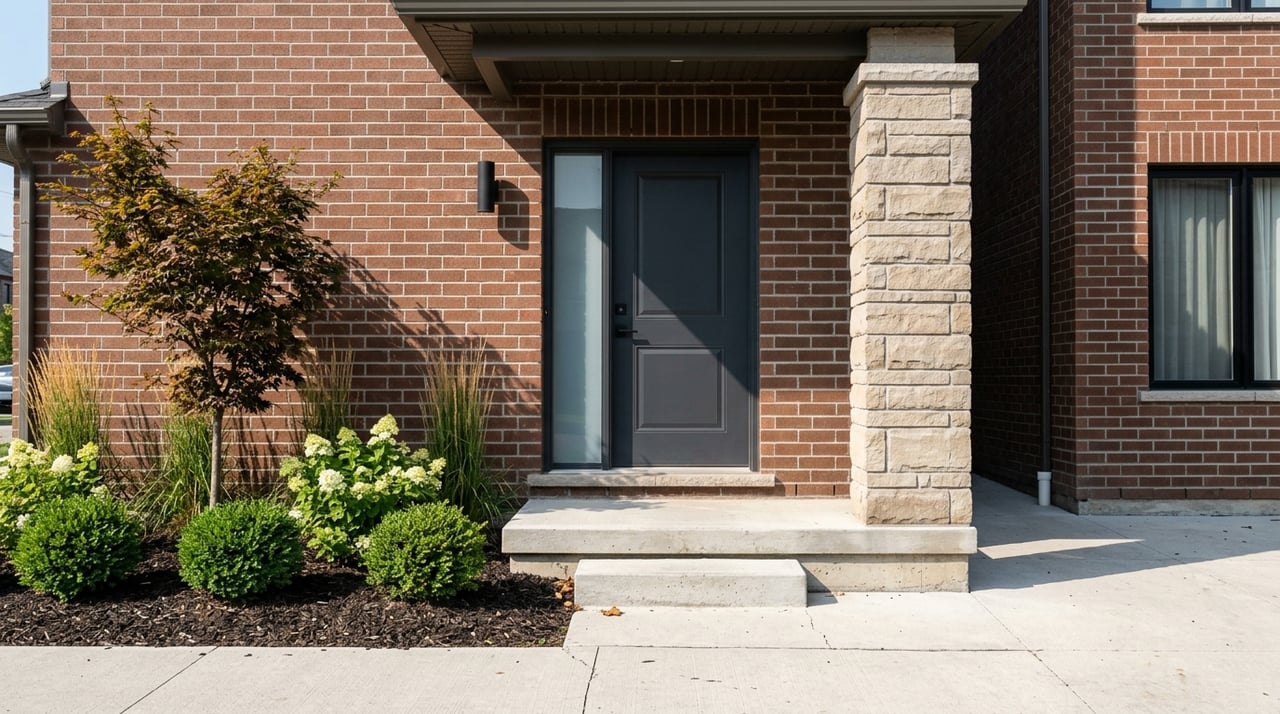
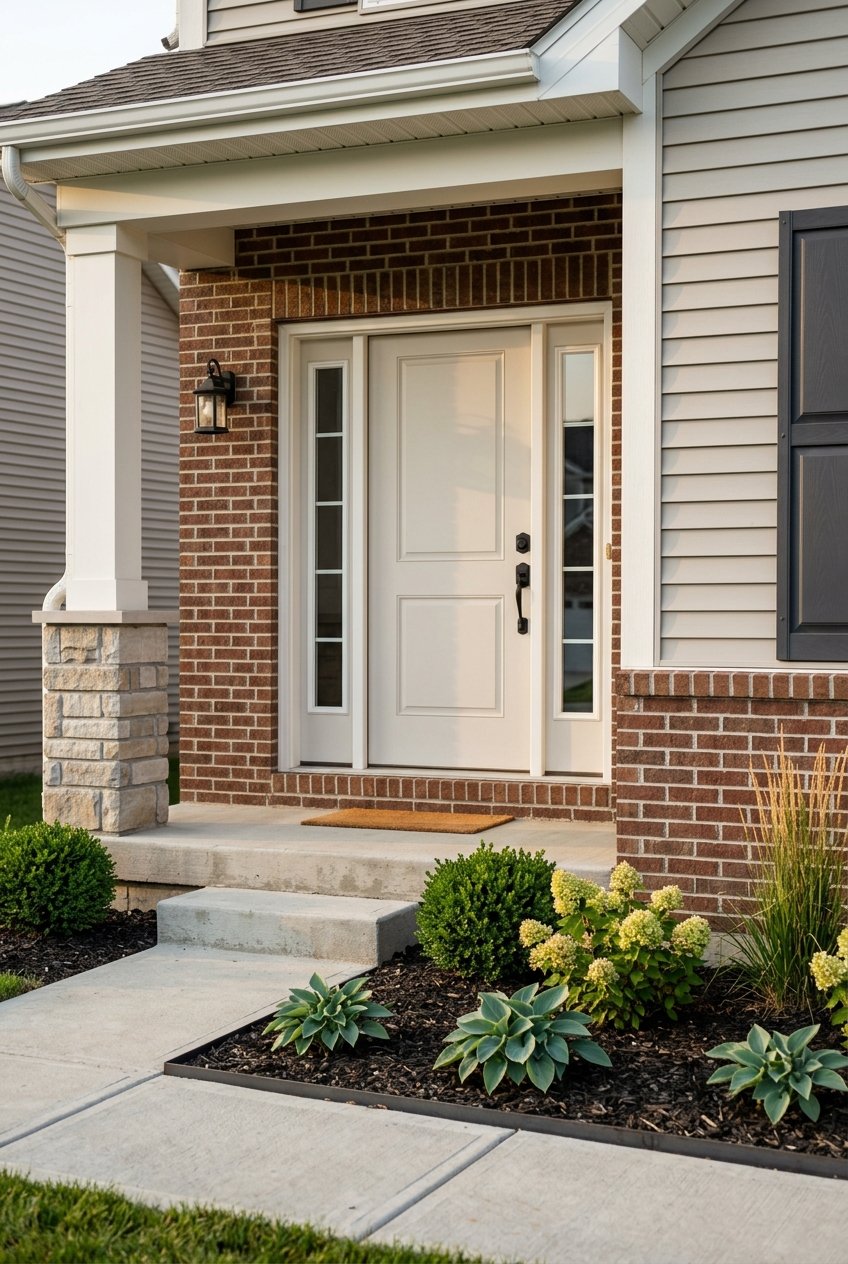
- Improving the front entry and overall curb appeal
- Trimming landscaping and tidying outdoor spaces
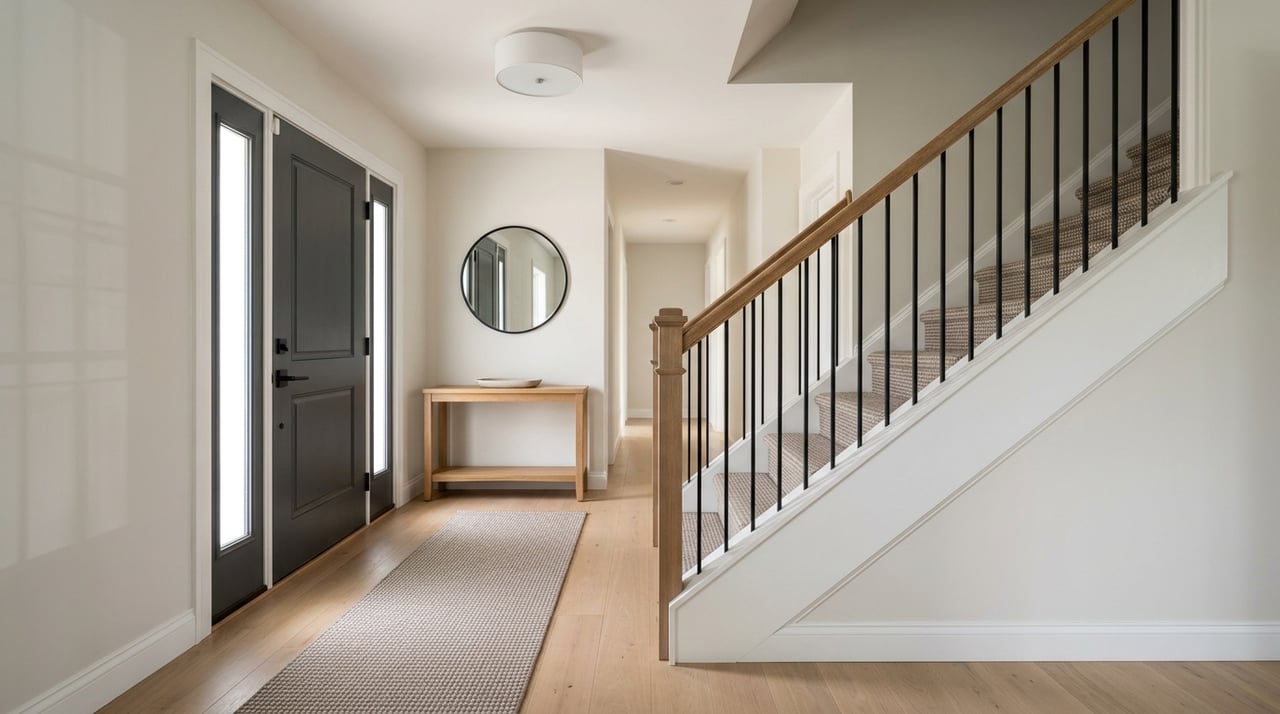
- Storing clutter to make rooms feel more open
These steps help both listing photos and in-person showings. They also make it easier for buyers to picture the home as functional, cared for, and ready for the next owner.
Stage the rooms that matter most
If your budget or timeline is limited, you do not need to stage every room equally. National staging data shows that the living room is the space buyers’ agents most often say is important to stage, followed by the primary bedroom and kitchen.
That is a helpful guide for Union sellers. If you want to prioritize your time and money, start with the rooms where buyers tend to focus first.
Put your energy into key spaces
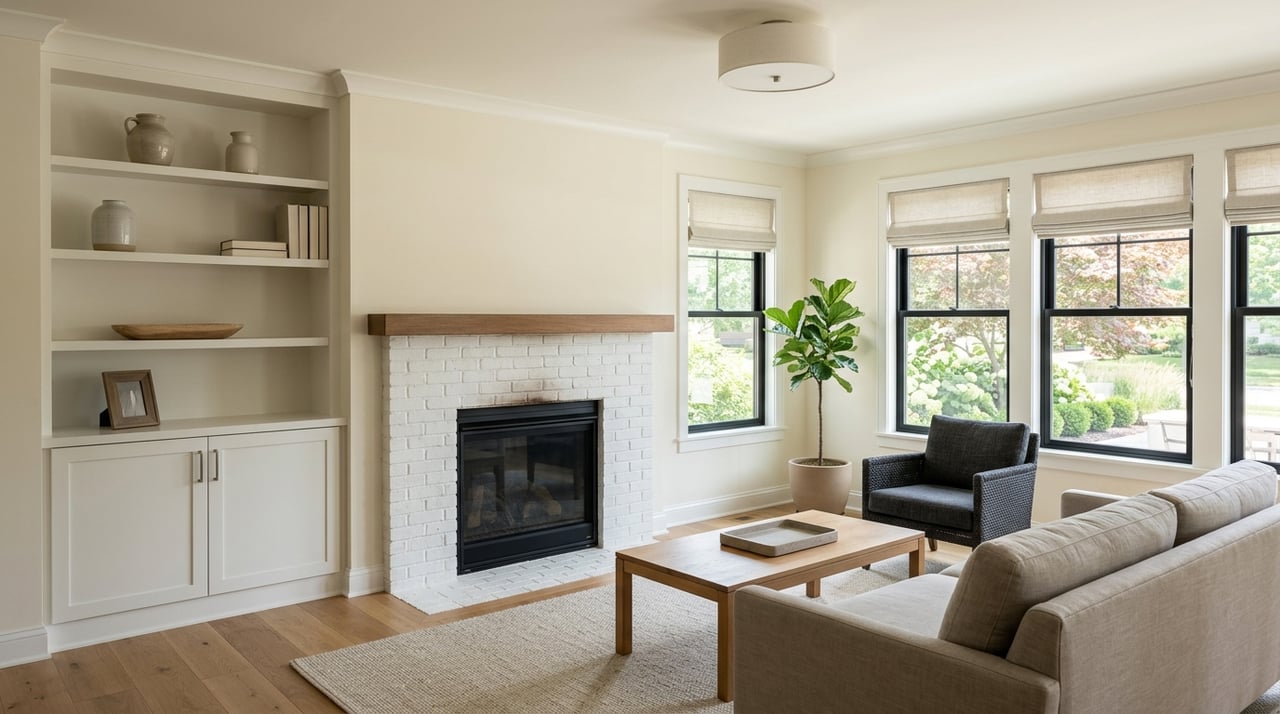
Your living room should feel open, comfortable, and easy to understand. Remove extra furniture if the layout feels tight, simplify decor, and keep surfaces mostly clear.
In the primary bedroom, aim for calm and clean. Fresh bedding, tidy nightstands, and less visual clutter can go a long way. In the kitchen, clear counters, organize visible storage areas, and make sure lighting is bright and welcoming.
Keep the rest of the home simple
Not every room needs a full staging plan. A budget-conscious approach still works well when the rest of the home is simply clean, neutral, and bright.
More than half of sellers’ agents in a recent staging survey did not fully stage homes before listing. Even so, they still commonly recommended decluttering and correcting property faults. That means your effort is still worthwhile, even if you are not bringing in furniture or styling every corner.
Make online photos work for you
Many buyers will see your home online before they ever schedule a showing. That first impression matters. Staging and photography work together, not separately.
When a home looks clean, well lit, and thoughtfully arranged in photos, buyers are more likely to want to walk through it in person. This is one reason it makes sense to finish repairs, declutter, and stage main rooms before photography is scheduled.
Prep before photography day
Before photos are taken, try to:
- Remove excess items from counters and tables
- Hide personal photos and everyday clutter
- Open blinds and curtains for natural light
- Turn on lamps and overhead lights as needed
- Make beds and straighten pillows
- Put away pet bowls, crates, and toys
A polished photo set can help your listing start strong. In an active market, that early momentum matters.
Use a showing checklist every time
Once your home is listed, consistency is key. A repeatable showing routine can help you stay ready without feeling overwhelmed every day.
Before each showing, aim to:
- Make all beds
- Clear kitchen and bathroom counters
- Wipe down surfaces
- Organize the refrigerator
- Replace used towels with fresh ones
- Wipe mirrors
- Control odors
- Hide valuables and medications
- Clear walkways
- Open blinds and curtains
- Turn on lights
- Disable alarms
- Take pets with you if possible
These steps do not need to take hours if you build them into a routine. The goal is to make your home feel easy to tour, easy to understand, and easy to remember.
Price realistically from the start
Preparation alone is not enough if pricing misses the market. Regional spring 2026 data for the Cincinnati metro showed gains in both new listings and contract signings, which points to healthy buyer activity. The same report found that the markets moving best were those where sellers priced more realistically upfront instead of relying on later price cuts.
That matters in Union. Even in an active market, buyers compare value carefully. A well-prepared home that is priced with current conditions in mind has a better chance of attracting strong interest early.
Follow a smart listing timeline
If you are hoping to sell within the next season, the order of operations matters. Many sellers feel stressed because they try to do everything at once. A better approach is to break the process into clear steps.
A simple pre-listing sequence
Here is a practical order to follow:
- Identify needed repairs and maintenance items
- Complete Kentucky disclosure paperwork
- Decide whether to get a pre-listing inspection or repair estimates
- Gather warranties, manuals, and service records
- Declutter and deep clean
- Stage the living room, primary bedroom, and kitchen first
- Improve curb appeal
- Schedule photography
- Launch the listing when the home is fully ready
This sequence helps your listing hit the market in its strongest condition. It can also reduce last-minute stress and help you respond to buyers more smoothly.
How the right agent helps you prepare
Selling a home is not just about putting a sign in the yard. The prep phase often has the biggest effect on how your sale unfolds. An experienced local agent can help you decide which repairs are worth doing, coordinate vendors, talk through inspection choices, manage disclosure steps, and help keep the home show-ready once it goes live.
If you are selling in Union, that kind of guidance can make the process feel much more manageable. Instead of guessing where to spend money or time, you can build a plan around what buyers are actually likely to notice and value.
When you are ready to prepare your Union home for market, Wendy Goldfinger | Howard Hanna can help you create a clear, practical strategy from pre-listing prep through closing.
FAQs
What should I fix before listing my home in Union, KY?
- Start with known issues that affect buyer confidence, such as roof concerns, HVAC problems, appliance issues, leaks, and visible maintenance items. After that, focus on cleaning, paint touch-ups, curb appeal, and decluttering.
Do Kentucky home sellers need a property disclosure?
- Yes. If you are selling a single-family residential property in Kentucky with a licensed agent, you must complete the Seller’s Disclosure of Property Condition when the listing agreement is executed, and update it in writing if conditions change before closing.
Do I need a pre-listing inspection before selling in Union?
- No. A pre-listing inspection is optional, but it can help uncover issues before buyers do. If you already know about possible major repairs, getting repair estimates can also help you decide what to address before listing.
Which rooms should I stage first when selling a Union home?
- Start with the living room, primary bedroom, and kitchen. Those are the spaces buyers’ agents most often identify as important to stage.
What should I do before every showing in Union, KY?
- Make beds, clear counters, wipe surfaces, freshen towels, wipe mirrors, control odors, hide valuables and medications, open blinds, turn on lights, and remove pets if possible.
Does staging really help a home sale in Union?
- Staging can help buyers connect with the home online and in person. Recent survey data found that some agents saw higher offers with staging, and many sellers’ agents said staging reduced time on market.